
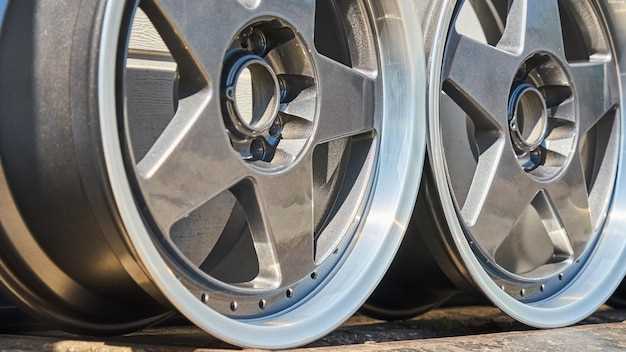
The world of automotive customization is vast, and when it comes to enhancing the stance of your Ford Mustang, selecting the right rims and understanding wheel fitment is crucial. Whether you’re aiming for a more aggressive appearance or simply looking to improve performance, the right fitment can make all the difference. This guide will provide you with essential insights into choosing the perfect rims for your Mustang, ensuring that your modifications are not only visually appealing but also practical.
Understanding fitment involves knowing your vehicle’s specifications and how different wheel dimensions influence handling, comfort, and overall look. Incorrect fitment can lead to a myriad of issues, from poor handling to tire wear and even structural problems. In this guide, we will delve into the essential aspects of wheel offset, diameter, and width, allowing you to make informed decisions that suit both your aesthetic preferences and driving needs.
Additionally, we’ll explore how different rim styles can enhance the overall stance of your Mustang. The right combination of rim size and fitment not only affects the car’s appearance but can also enhance traction and stability. By the end of this guide, you will have a comprehensive understanding of how to achieve the perfect stance for your Mustang, ensuring a balance between style and performance on the road.
Selecting the Right Rim Size for Your Mustang Model
Choosing the correct rim size is crucial for achieving the perfect fitment and stance for your Mustang. Each Mustang model has specific specifications that dictate compatible rim sizes. Understanding these specifications ensures that your vehicle not only performs optimally but also looks aesthetically pleasing.
When selecting rims, start by confirming the bolt pattern, offset, and diameter required for your specific Mustang model. The most common rim diameter for modern Mustangs ranges from 17 to 20 inches, depending on the year and trim level. For instance, 2015 and later models typically support larger diameters, enhancing both performance and style.
Next, consider the width of the rims. A wider rim can improve your Mustang’s traction and handling, but it is essential to ensure that the tires you select can accommodate this width. The tire’s sidewall height will affect the overall stance of the vehicle, which can drastically change how it looks on the road.
Pay attention to the offset of the rims as well, as this measurement determines how far the wheel’s mounting surface is from the wheel’s centerline. A proper offset ensures that the wheel is positioned correctly within the wheel arch, maintaining balance and preventing rubbing during turns. A lower offset can create a wider stance, which some enthusiasts prefer for a more aggressive look.
Finally, consider the brake clearance. Upgrading to larger rims may enhance visual appeal, but they must also allow adequate space for brake components, especially if you plan to install performance brakes in the future. Always consult a fitment guide or an expert to verify that your selected rims align with the vehicle’s performance requirements.
In summary, selecting the right rim size for your Mustang involves understanding its specific requirements and how these impact the fitment and overall stance. Investing time in this decision will ensure both style and functionality for your beloved Mustang.
Understanding Offset and Backspacing for Optimal Wheel Fitment
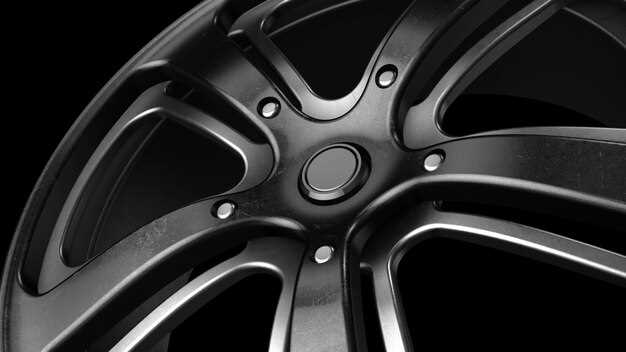
When considering wheel fitment for your Mustang, two crucial measurements come into play: offset and backspacing. Both attributes are vital for ensuring that your wheels fit correctly within the wheel wells and provide the desired performance and aesthetic appeal.
Offset refers to the distance from the wheel’s mounting surface to its centerline. It can be categorized into three types: positive, negative, and zero offset. A positive offset means that the mounting surface is closer to the outside edge of the wheel, which typically pushes the wheel inward towards the suspension components. A negative offset indicates that the mounting surface is closer to the inside edge, pushing the wheel outwards and providing a wider stance. Zero offset is when the mounting surface aligns with the centerline of the wheel, resulting in balanced placement.
Backspacing measures the distance from the wheel’s mounting surface to the rear edge of the wheel. It directly influences how far the wheel sits within or outside the wheel arch. To calculate backspacing, you measure the total width of the wheel and subtract the offset. This metric helps determine whether the wheel will clear brake components, suspension parts, and bodywork. Proper backspacing is essential to avoid rubbing during steering or under load, which can lead to premature wear or damage.
Achieving optimal fitment involves understanding how offset and backspacing interact with your vehicle’s geometry and existing components. When selecting wheels, consider the desired stance, the type of tires used, and any potential modifications to the suspension or body. Balancing these factors will ensure your Mustang not only looks great but also performs at its best.
Tuning Your Mustang’s Stance with Wheel Width and Tire Selection

Creating the perfect stance for your Mustang involves a careful balance of wheel width and tire selection. The right wheel width enhances both the aesthetics and performance of your vehicle, affecting traction, handling, and overall appearance. When selecting wheels, consider how the width influences fitment with your Mustang’s fenders and suspension components.
Wider wheels generally provide a larger contact patch, improving grip during acceleration and cornering. However, it’s essential to ensure that the increased width does not lead to rubbing against fenders or suspension parts. When tuning your Mustang, verify the compatibility of your chosen wheel width with existing components to maintain proper fitment.
Tire selection plays a critical role in achieving your desired stance. Wider tires not only bolster performance but also impact the vehicle’s visual profile. Opt for tires that complement your wheel width while also being suitable for your driving style and conditions. For instance, high-performance tires may be ideal for a street-driven Mustang, while wider, more aggressive tires can enhance track-oriented setups.
It’s crucial to maintain a balance between wheel width, tire selection, and overall fitment. A well-executed stance enhances both the look and driving dynamics of your Mustang. Consider adjustable coilovers or camber kits to fine-tune your setup further, maximizing both aesthetics and performance. With the right combination of wheel width and tire selection, you can achieve an aggressive stance that sets your Mustang apart while ensuring optimal handling and driving pleasure.


