
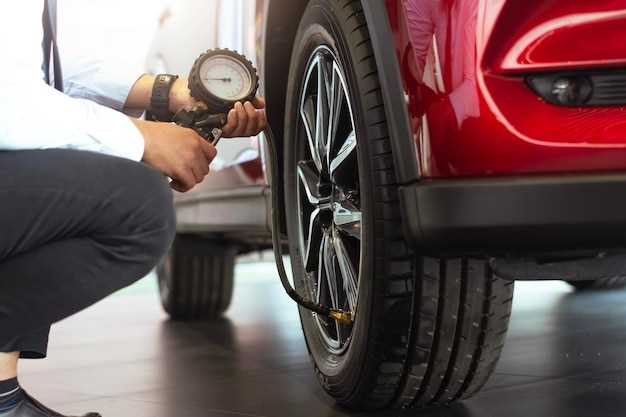
Maintaining the ideal tire pressure is crucial for any Mustang enthusiast. Proper tire pressure not only ensures optimal performance but also contributes to better fuel efficiency and overall safety on the road. Understanding the correct psi for your tires, based on your specific Mustang model and driving conditions, can significantly enhance your driving experience.
Under-inflated tires can lead to increased rolling resistance, causing your Mustang to consume more fuel than necessary. Conversely, over-inflated tires can compromise traction and stability, jeopardizing your ability to handle sharp turns and preventing a smooth ride. Therefore, regular checks of your tire pressure, ideally at least once a month and before long trips, are essential for maintaining performance.
In this article, we will delve into expert-recommended tire pressure tips tailored specifically for Mustang enthusiasts. From understanding how to read the recommended psi ratings to knowing the best time to check and adjust your tire pressure, these insights will help you keep your Mustang performing at its best while ensuring you get the most out of every gallon of fuel.
Optimal PSI Settings for Peak Performance
For Mustang enthusiasts, maintaining the correct tire pressure is crucial for achieving peak performance. The optimal PSI settings directly affect handling, traction, and fuel efficiency. Generally, the recommended tire pressure for most Mustangs falls within the range of 32 to 36 PSI when cold. However, factors such as tire type, driving conditions, and vehicle modifications can influence this range.
Driving at the manufacturer’s specified PSI ensures that tires wear evenly and provide maximum grip. Over-inflated tires can lead to reduced contact with the road, compromising traction, especially during cornering. Conversely, under-inflated tires increase rolling resistance, leading to higher fuel consumption and decreased performance.
For those using their Mustangs on tracks or in high-performance scenarios, adjusting the PSI can offer improved grip. Competitive settings often require a lower PSI, typically around 28 to 30 PSI, to enhance tire squirm and provide better surface contact. Nevertheless, it’s essential to monitor the temperatures of the tires, as lower PSI can lead to overheating during sustained performance driving.
Regular checks on tire pressure are essential. It’s best to measure PSI when tires are cold, as heat generated from driving can inflate pressures. With the right PSI, you’ll not only enhance your Mustang’s performance but also ensure a better fuel efficiency, making every drive enjoyable and economical.
How Tire Pressure Affects Fuel Economy
Proper tire pressure is crucial for maximizing the fuel efficiency of your Mustang. Each vehicle has a recommended PSI (pounds per square inch) for its tires, which is typically found on the driver’s side door jamb. Maintaining this pressure is essential to ensure optimal performance.
When your tires are under-inflated, they have increased rolling resistance. This means the engine must work harder to propel the car forward, leading to higher fuel consumption. Studies show that for every 1 PSI drop in tire pressure, fuel efficiency can decrease by approximately 0.2%. Over time, this can accumulate significantly, resulting in unnecessary expenses at the pump.
Conversely, over-inflated tires can also negatively impact fuel economy. While they may reduce rolling resistance slightly, they can lead to reduced traction and uneven tire wear. This compromises safety and may require more frequent tire replacements, further impacting fuel costs.
To achieve the best fuel economy, routinely check your tire pressure, especially before long trips. Maintaining the manufacturer’s recommended PSI not only enhances fuel efficiency but also promotes better vehicle handling and longer tire life. Remember, a well-maintained Mustang not only performs better but also saves you money on fuel.
Regular Maintenance: Checking and Adjusting Tire Pressure
Maintaining the correct tire pressure is crucial for the performance and efficiency of your Mustang. Regular checks should be part of your maintenance routine, as proper inflation can significantly affect handling, tire wear, and fuel economy. The ideal tire pressure is usually specified in psi (pounds per square inch) and varies between models, so always refer to your owner’s manual or the sticker located on the driver’s door jamb for the manufacturer’s recommendations.
To check the tire pressure, invest in a reliable pressure gauge. Measure the pressure when the tires are cold, as heat generated from driving can cause a temporary increase in psi. If the pressure is below the recommended level, adjust it immediately. Over-inflated tires can also lead to reduced grip and handling issues, so ensure that you never exceed the manufacturer’s specifications.
Adjusting tire pressure is simple. Use an air compressor or a hand pump to inflate the tires to the correct psi. If you need to release air, press the valve stem lightly to let air out. It’s important to check all four tires regularly, as they can wear unevenly, leading to performance discrepancies.
Properly inflated tires not only enhance safety and handling but also improve fuel efficiency. Under-inflated tires create more rolling resistance, which can lead to increased fuel consumption. By maintaining the correct tire pressure, you contribute to better fuel economy and a smoother driving experience in your Mustang.
In summary, regularly checking and adjusting your tire pressure is a vital aspect of Mustang maintenance. Staying vigilant about psi levels ensures optimal performance, safety, and efficiency, allowing you to fully enjoy your driving experience.


