
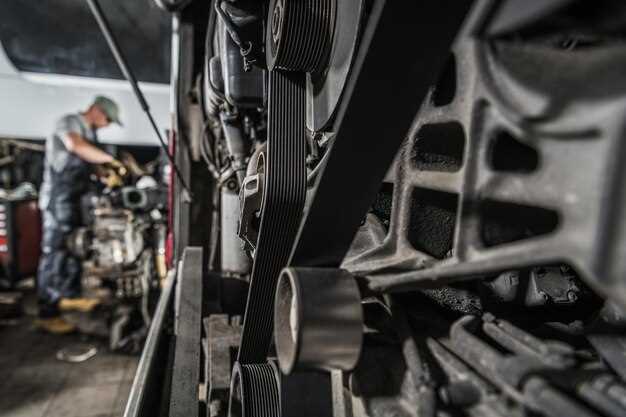
Maintaining the cooling system of your Mustang is crucial for ensuring optimal performance and longevity of the engine. One of the key components of this system is the belt that drives the water pump and other vital accessories. Regularly scheduled replacements of belts and hoses help prevent unexpected failures that could lead to overheating and significant engine damage.
Understanding the replacement schedule is essential for any Mustang owner. The belt should be inspected for wear and tear, such as fraying or cracking, at least every 30,000 miles, while the hoses should be evaluated concurrently for leaks or softness. Depending on the model year and engine type, replacement intervals may vary, so refer to your vehicle’s owner manual for specific recommendations.
Addressing these components proactively not only enhances the reliability of your cooling system but also contributes to the overall performance of your Mustang. By adhering to a disciplined maintenance schedule, you can avoid costly repairs and enjoy a smoother driving experience for years to come.
Signs Your Mustang Needs Belt and Hose Replacement

Regular maintenance of your Mustang’s system is essential to ensure optimal performance. The serpentine belt and hoses play crucial roles in the overall functioning of your vehicle. It is important to be aware of the key indicators that suggest these components may require replacement.
1. Cracks or Fraying on the Serpentine Belt: Inspect the serpentine belt for visible signs of wear. Cracks, fraying, or shiny spots can indicate that the belt is nearing the end of its lifespan, which can lead to belt failure and result in issues with engine accessories.
2. Unusual Noises: If you hear squealing or grinding noises while the engine is running, it may be a sign that the serpentine belt is slipping or that a pulley is failing. These noises should not be ignored, as they can lead to further damage.
3. Overheating Engine: Signs of an overheating engine can arise from a failing cooling system due to a compromised hose. If you notice steam or a temperature gauge reading in the red zone, check the hoses for leaks or bulges.
4. Visible Leaks: Coolant leaks under the vehicle can indicate hose deterioration. If you spot puddles or residue beneath your Mustang, it could signal that the hoses are cracked or improperly sealed.
5. Lack of Power Steering: A worn serpentine belt may affect your power steering function. If you experience difficulty in steering, it may be a sign that the belt is slipping and should be inspected immediately.
6. Increased Engine Temperature: If the engine temperature is consistently higher than normal, it may indicate that the cooling hoses are damaged. Check for blockages, leaks, or signs of wear that may be causing reduced coolant flow.
Maintaining the health of your Mustang’s serpentine belt and hoses is vital. If you identify any of these signs, it is advisable to have them examined by a professional to prevent further complications and ensure reliable performance.
Recommended Replacement Intervals for Serpentine Belts
Serpentine belts are crucial components of a vehicle’s engine system, driving multiple accessories such as the alternator, power steering pump, water pump, and air conditioning compressor. Regular inspection and timely replacement of these belts are essential to avoid system failures and ensure optimal vehicle performance.
Manufacturers typically recommend replacing serpentine belts every 60,000 to 100,000 miles. However, factors such as driving conditions, climate, and belt quality can influence this interval. For example, vehicles frequently driven in extreme temperatures or on rough terrain may require more frequent inspections and earlier replacements.
In addition to mileage, it’s important to check for signs of wear, including cracks, fraying, or glazing on the belt surface. Any visual damage may indicate that the serpentine belt should be replaced sooner than the recommended interval. Regular maintenance checks can help identify these issues early, preventing potential breakdowns and costly repairs.
Owners of Mustang vehicles should consult their specific owner’s manual for manufacturer recommendations, as these guidelines can vary based on engine type and other factors. Keeping track of mileage and inspection dates can help ensure that the serpentine belt is replaced at the appropriate time, maintaining the overall health of the vehicle’s accessory system.
Cooling System Hose Inspection and Maintenance Tips

Regular inspection and maintenance of your Mustang’s cooling system hoses are crucial for preventing overheating and ensuring optimal engine performance. Start by examining the hoses for any signs of wear or damage, such as cracks, bulges, or soft spots. These issues can lead to coolant leaks, which may result in engine overheating.
Check for proper connections at both ends of the hoses. Loose or damaged clamps can compromise the seal and cause coolant to escape. It’s advisable to tighten any loose clamps and replace any that appear corroded or broken.
Inspect the alignment of the serpentine belt. A faulty belt can put excess strain on the cooling system hoses, leading to premature wear. Look for signs of fraying or glazing on the belt surface, which can indicate that it needs replacement. Remember, a well-maintained serpentine belt ensures the proper functioning of multiple components, including the water pump, which is vital for cooling.
Flush the cooling system periodically according to your vehicle’s service schedule. This process helps remove any buildup of debris or corrosion that could affect the hoses’ integrity. Replacement of the coolant every two years or 30,000 miles is often recommended, but refer to your owner’s manual for specific guidelines.
Finally, consider environmental factors that can affect the hoses, such as extreme temperatures and exposure to chemicals. Parking in shaded areas or using protective covers can prolong the lifespan of the hose materials. Regular maintenance checks should be part of your overall vehicle care routine to ensure that the cooling system operates effectively, thus safeguarding your Mustang’s performance.


